
“Anti-aging” has long been part of the beauty and aesthetics conversation, helping people address visible signs of aging. Today, a broader idea of healthy aging is emerging, one that looks beyond individual signs of age to understand how the face changes as a whole.
Facial aging is not simply about wrinkles. Changes occur across the skin, fat, muscles, supporting structures, and underlying facial skeleton, with different parts of the face changing at different rates.
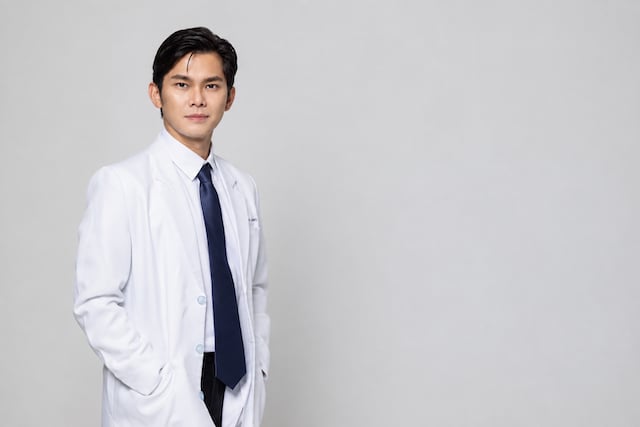
For multi-awarded aesthetic physician Dr. James Co, founder of Cosma Institute and Architect of Aesthetic Confidence, understanding these changes is central to making responsible and individualized decisions about aesthetic care.
“Aging is not a disease we need to cure,” Co said. “It is a biological process. As physicians, our role is to understand what is changing beneath the surface, how those changes differ from person to person, and whether intervention is appropriate in the first place.”
Facial Aging Is More Than Wrinkles
A review published in Facial Plastic Surgery, The Anatomy of the Aging Face: A Review, describes facial aging as a process involving changes across bone, ligaments, muscles, fat, and skin.
Another review in Aesthetic Surgery Journal, The Facial Aging Process From the “Inside Out”, further examines how changes beneath the skin contribute to what eventually becomes visible on the surface.
Even facial fat is organized into distinct anatomical compartments, according to research published in Plastic and Reconstructive Surgery. These compartments can change in volume and position over time, contributing to changes in facial shape and balance.
These findings highlight why facial aging cannot be understood by looking at a single wrinkle or isolated feature.
“When you only look at the wrinkle, you are looking at the surface of a much bigger anatomical process,” Co said. “The face ages as a system. Good assessment means understanding what is happening underneath before deciding what should be done on the surface.”
There Is No Standard Face for Any Age
Two people can be the same age and experience aging very differently.
Genetics, facial anatomy, skeletal structure, fat distribution, skin characteristics, sun exposure, lifestyle, and environmental factors can all influence how facial aging presents. This means that a treatment appropriate for one person may not necessarily be appropriate for another with a similar concern.
“Two patients can be the same age and come to me with completely different anatomy, lifestyles, concerns, and goals,” Co said. “Why would we expect their treatment plans to look exactly the same?”
This is where Co sees healthy aging as an opportunity to broaden the conversation, looking beyond individual signs of age to consider the face as a whole and the goals of the individual.
“Someone can want to look refreshed without wanting to look 20 years younger,” he said. “Those are completely different goals.”
Rather than attempting to erase every line or preserve one fixed version of the face, healthy aging recognizes that the face will continue to change. The goal is to understand those changes and make informed decisions that respect a person’s natural proportions, identity, and sense of confidence.
What Healthy Aging Looks Like
As different structures of the face change at different rates, the relationship between facial features also evolves over time. Facial harmony is therefore not fixed.
For Co, this makes whole-face assessment particularly important. Instead of treating isolated signs of aging, physicians should consider how different areas relate to one another and whether an intervention would support overall balance.
“You cannot freeze one version of your face forever,” Co said. “But you can understand how the face is changing and make decisions that respect its natural proportions and your identity.”
Social media has also made individual aesthetic treatments more visible and accessible, but exposure to a treatment is different from knowing whether it is appropriate for an individual face.
“Patients should not have to diagnose themselves from social media,” Co said. “You might recognize a concern, but deciding why it is happening and what should be done about it requires proper assessment.”
Looking Like Yourself, Not Someone Younger
The conversation around facial aging is also moving beyond physical appearance to include how people feel about themselves.
A 2022 review examining minimally invasive facial aesthetic procedures and patient-reported outcomes found that studies have looked beyond physical changes to measures including satisfaction with appearance and aspects of psychological and social well-being. The review also noted limitations in the existing evidence, underscoring the importance of interpreting these outcomes carefully.
For Co, this reinforces the importance of understanding what a patient actually hopes to achieve.
“We need to ask whether the result makes sense for the patient, whether expectations were met, and whether we preserved the things that make that person recognizable,” he said.
Ultimately, success does not always mean looking dramatically younger.
“I would rather someone tell my patient, ‘You look well,’ than immediately ask, ‘What did you have done?’”
At Cosma Institute, Co applies this consultation-led philosophy through individualized assessment, facial harmony, medical judgment, and patient education. Having trained aesthetic practitioners across Southeast Asia and Europe, he advocates natural-looking outcomes that respect the characteristics already present in each face.
His approach has also earned industry recognition, most recently receiving two awards at the Merz Aesthetics Tala Awards.
For Co, the evolution of aesthetic medicine is not simply about having more tools or treatments. It is about understanding when those tools should be used, and when they may not be necessary at all.
“Aging cannot be stopped, and I don’t think that should be the promise,” Co said. “What we can do is understand it better. We can look at the science, understand the anatomy, listen to the patient, and make decisions that allow them to age while still looking recognizably like themselves.”
For Co, healthy aging begins not with fighting age, but with understanding it.
References
- Cotofana, S., et al. (2016). The Anatomy of the Aging Face: A Review. Facial Plastic Surgery, 32(3), 253–260.
- Swift, A., et al. (2021). The Facial Aging Process From the “Inside Out”. Aesthetic Surgery Journal, 41(10), 1107–1119.
- Rohrich, R. J., & Pessa, J. E. (2007). The Fat Compartments of the Face. Plastic and Reconstructive Surgery, 119(7), 2219–2227.
- Hoffman, L., & Fabi, S. G. (2022). Look Better, Feel Better, Live Better?. Journal of Clinical and Aesthetic Dermatology, 15(5), 47–58.